* All product/brand names, logos, and trademarks are property of their respective owners.
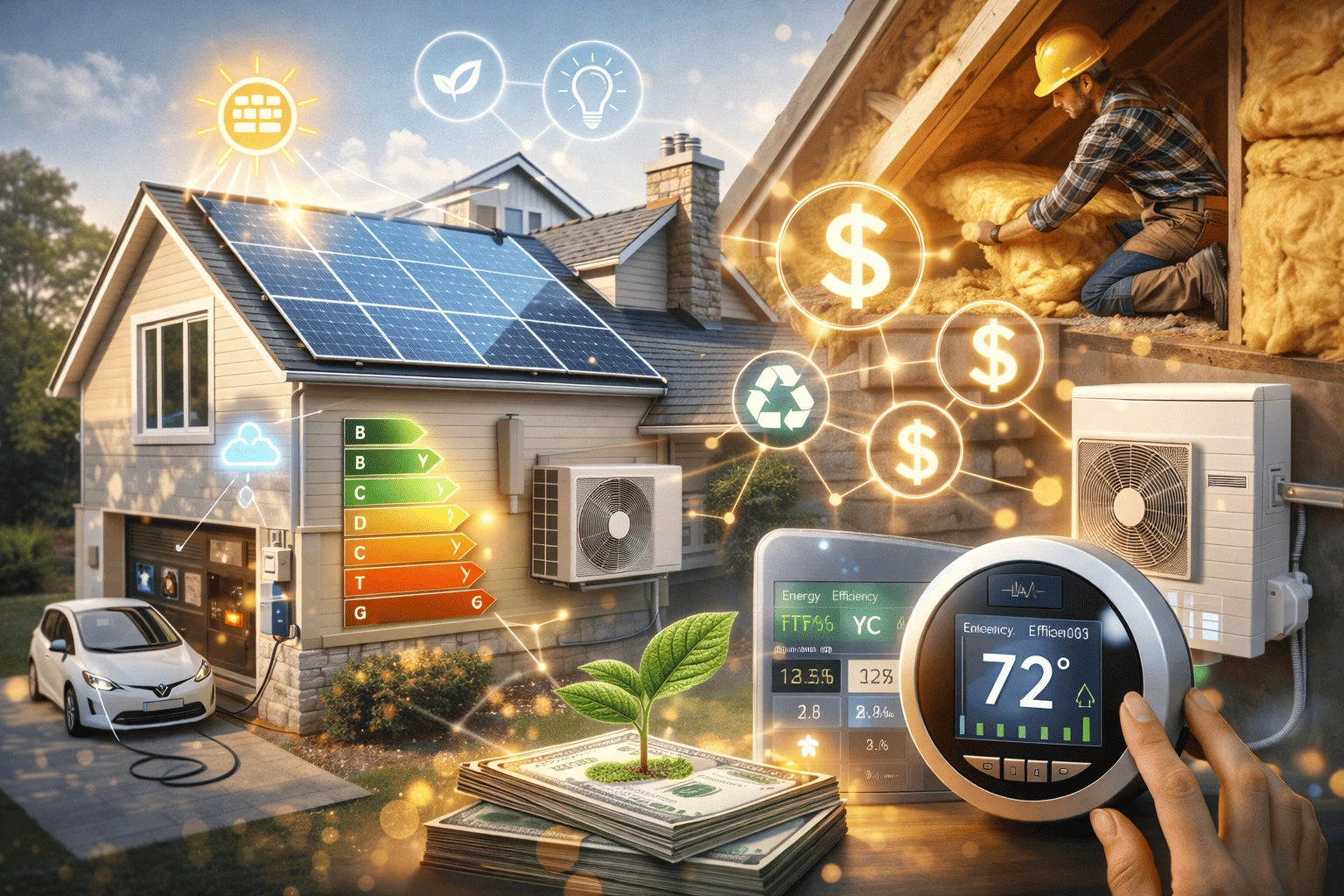
Energy costs have become a real concern for many homeowners. Whether it is a smaller flat in the UK or a larger family home in Pakistan, monthly utility bills can quietly take a big bite out of the budget. The good news is that you do not always need a full home renovation to see a difference. In many cases, a few smart and energy-efficient home improvements can lower your bills, make your home more comfortable, and even increase your property’s value over time.
One of the best things about energy-saving home upgrades is that they work at different budget levels. Some improvements are simple and affordable, like switching to LED bulbs or sealing gaps around doors and windows. Others, such as upgrading insulation, installing a smart thermostat, or adding solar panels, may cost more at the start but can lead to bigger long-term savings. The key is knowing where to begin and which changes give you the best return.
This is why energy-efficient home improvements have become such a popular topic for homeowners who want practical ways to save money. Instead of wasting energy through poor insulation, outdated appliances, or inefficient lighting, you can make targeted improvements that reduce energy loss and improve daily comfort. A warmer home in winter, a cooler home in summer, and lower electricity bills all add up to a smarter way of living.
In this guide, we will look at both low-cost upgrades that offer quick wins and bigger improvements that can save money for years to come. Whether you want to cut costs right away or plan for long-term savings, there are plenty of home improvements that save money without making life complicated.
Making your home more energy efficient does not always require a big budget or major renovations. In fact, some of the most effective improvements are simple upgrades that homeowners can implement in just a few hours. These small changes help reduce wasted energy, which directly lowers monthly electricity or heating bills. Over time, even modest improvements can lead to noticeable savings.
If you are just starting your journey toward a more energy-efficient home, these upgrades are some of the easiest and most practical options to consider.
Lighting is one of the easiest places to start saving energy. Traditional incandescent bulbs use a lot more electricity and tend to burn out quickly. LED bulbs, on the other hand, use significantly less power while lasting much longer.
Replacing old bulbs with LED lighting can reduce lighting energy use by up to 75%. This means that a simple upgrade throughout your home — in living rooms, kitchens, bedrooms, and hallways — can noticeably reduce electricity consumption.
Another benefit of LED bulbs is their lifespan. While traditional bulbs may last around 1,000 hours, many LED bulbs can last 15,000 to 25,000 hours or more. This means fewer replacements and lower long-term costs.
For homeowners looking for a quick win, switching to LED lighting is one of the simplest energy-efficient home improvements that saves money almost immediately.
Many homes lose a surprising amount of energy through small gaps and cracks around doors, windows, and walls. These tiny openings allow warm air to escape in winter and let hot air enter during summer. As a result, heating and cooling systems must work harder to maintain comfortable temperatures.
Air sealing is a low-cost improvement that can significantly reduce energy waste. Adding weatherstripping around doors, sealing window gaps with caulk, and installing door sweeps can help keep indoor temperatures stable.
Even simple insulation improvements can make a big difference. Areas such as attics, basements, and crawl spaces are common spots where heat loss occurs. By improving insulation in these areas, homeowners can maintain indoor comfort while reducing energy usage.
The result is a home that stays warmer in winter, cooler in summer, and more efficient overall.
Heating and cooling systems often account for a large portion of household energy use. A smart thermostat helps manage this energy more efficiently by automatically adjusting temperatures based on your daily schedule.
For example, a smart thermostat can lower heating or cooling when you are away from home and restore comfortable temperatures before you return. This prevents unnecessary energy use while maintaining convenience.
Many modern thermostats also allow homeowners to control temperature settings through smartphone apps. This means you can adjust heating or cooling remotely, ensuring energy is not wasted when it is not needed.
Over time, this small technology upgrade can lead to consistent reductions in energy consumption. Combined with other energy-efficient home improvements, smart thermostats help create a more efficient and cost-effective household.
While small upgrades can reduce energy use quickly, some home improvements provide even bigger savings over time. These improvements may require a larger upfront investment, but they often pay for themselves through lower energy bills and increased home value. In many cases, homeowners also benefit from improved comfort, better indoor temperatures, and reduced reliance on heating or cooling systems.
If you are planning long-term upgrades, the following improvements are among the most effective ways to create a truly energy-efficient home.
Older household appliances tend to use significantly more electricity than modern energy-efficient models. Refrigerators, washing machines, dishwashers, and air conditioners that are more than 10 years old are often less efficient and more expensive to run.
Upgrading to energy-efficient appliances can dramatically reduce electricity consumption. Many newer appliances are designed with advanced technology that allows them to perform the same tasks while using less energy and water.
For example, modern washing machines use optimized cycles that clean clothes effectively while using less water and power. Similarly, energy-efficient refrigerators maintain consistent temperatures without consuming excessive electricity.
Although replacing appliances requires an initial investment, the long-term savings on utility bills can make the upgrade worthwhile. Over time, these appliances also reduce your home’s overall energy footprint.
Solar panels have become one of the most popular energy-efficient home improvements in recent years. By converting sunlight into electricity, solar panels allow homeowners to generate their own power and reduce reliance on traditional energy sources.
In sunny regions, solar panels can significantly reduce monthly electricity bills. Even in places with moderate sunlight, modern solar systems can still produce meaningful energy throughout the year.
Another advantage of solar energy is long-term stability. Electricity prices often rise over time, but solar panels help protect homeowners from increasing energy costs by producing renewable power directly from the sun.
In many countries, government incentives or energy programs may also help reduce installation costs, making solar power more accessible for homeowners who want to invest in long-term savings.
Poor insulation is one of the biggest causes of energy loss in many homes. When insulation is weak or outdated, heat escapes during winter and enters during summer. This forces heating and cooling systems to work harder, increasing energy consumption and utility costs.
Upgrading insulation in areas like the attic, walls, and floors can dramatically improve energy efficiency. Proper insulation helps maintain a consistent indoor temperature, reducing the need for constant heating or cooling.
Windows also play a major role in energy efficiency. Older single-pane windows often allow heat to escape easily. Replacing them with double-glazed or energy-efficient windows helps keep warm air inside during winter and block heat during summer.
Although these improvements require more planning and investment, they can deliver long-term savings while making your home far more comfortable year-round.
Improving your home’s energy efficiency is one of the smartest ways to reduce monthly expenses while making your living space more comfortable. Many homeowners assume that saving energy requires expensive renovations, but the reality is that even small changes can make a noticeable difference. Simple upgrades like switching to LED lighting, sealing air leaks, and installing a smart thermostat can reduce wasted energy and immediately lower your utility bills.
At the same time, larger improvements such as upgrading appliances, improving insulation, or installing solar panels offer long-term financial benefits. While these upgrades may require an initial investment, they often pay for themselves through consistent savings on electricity and heating costs. Over the years, these improvements can significantly reduce your household’s overall energy consumption.
Another major advantage of energy-efficient home improvements is increased property value. Homes with better insulation, efficient heating systems, and renewable energy solutions are becoming more attractive to buyers who want lower operating costs. This means that the money you invest in energy efficiency today can also add value to your home in the future.
The key is to start with the improvements that fit your budget and needs. Begin with simple upgrades that provide immediate results, then gradually consider larger improvements that deliver long-term savings. Every step toward better efficiency helps reduce energy waste and creates a more sustainable home.
If you are looking for practical ways to lower your energy bills, now is the perfect time to evaluate how your home uses energy. Even a few smart upgrades can lead to meaningful savings over time. Start small, stay consistent, and your home will become more efficient, comfortable, and cost-effective for years to come.

Hi, I’m Ahmed, a professional content writer and SEO specialist. I help businesses, brands, and websites create clear, engaging, and search-friendly content that attracts the right audience and drives results.
With a strong understanding of SEO, keyword research, blog writing, website content, and content strategy, I craft content that is not only well-written but also optimized to perform on search engines. My goal is to turn ideas into powerful words that build trust, improve visibility, and support business growth.
Whether you need blog posts, website copy, product descriptions, SEO articles, or content optimization, I can help create content that connects with readers and supports your online goals.
Stairs are one of the most common places for slips, trips, and falls in commercial buildings. That's
17 August 2026
The gap between being a good manager and being a great leader has never been more consequential than
24 April 2026
Workplace wellbeing used to be treated as a nice-to-have. A fruit bowl in the break room, a poster a
22 April 2026
Be the first to share your thoughts
No comments yet. Be the first to comment!
Share your thoughts and join the discussion below.
.webp&w=3840&q=75)




.webp&w=3840&q=75)