* All product/brand names, logos, and trademarks are property of their respective owners.
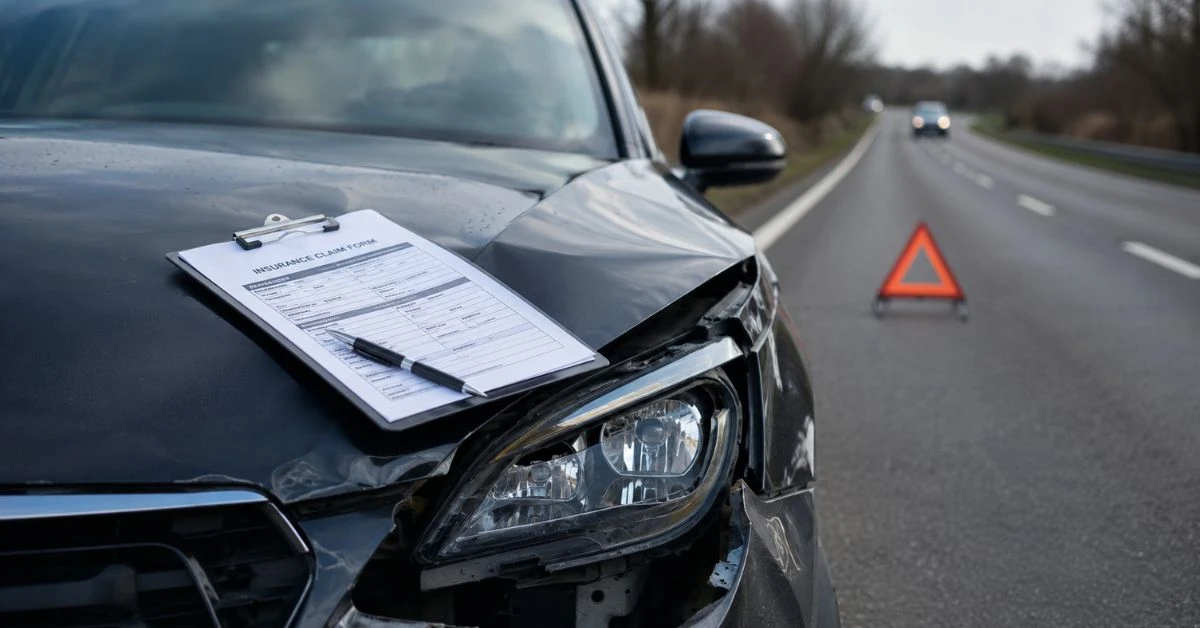
The car write-off process begins when your insurer decides your vehicle is too damaged to repair safely or economically. This common vehicle total loss explanation helps motorists understand what happens after a serious road collision.
Insurance companies assess the cost of repairs against the car's current market value before making a final decision. If repairs exceed a certain threshold, the car is officially labelled as a total loss. Knowing your rights ensures you receive a fair deal during the stressful claims period.
A vehicle is written off when an insurer deems it unsafe or too expensive to put back on the road. This decision follows a professional accident-damaged car procedure conducted by a qualified assessor.
The insurer looks at the cost of parts, labour, and potential hidden structural issues. If fixing the car costs more than its pre-accident value, they declare it a total loss. This protects both the insurer's finances and your safety on busy UK roads.
In the UK, insurance companies use specific categories to classify damaged vehicles based on severity. These insurance write-off categories help determine if a car can ever return to the road legally. Some cars are designated for scrap only, while others might be repaired if strictly necessary.
Category A: The vehicle is beyond repair and must be crushed entirely.
Category B: The body shell must be crushed, but some parts are salvageable.
Category S: The vehicle has sustained structural damage but is repairable by professionals.
Category N: The car has non-structural damage but remains uneconomical to repair safely.
After the assessment, the company determines the final car insurance claim settlement based on market prices. They do not necessarily pay what you originally paid for the car when it was new. Instead, they look at the current value of a similar car with identical mileage and condition.
Providing receipts for recent upgrades or new tyres can sometimes help increase your overall offer. You should always double-check their valuation against current adverts for similar models online.
You are not legally obligated to accept the very first figure offered by your insurer. If the written-off car value payout feels too low, you have the right to challenge the decision.
Gather evidence like independent valuations or recent sales listings to support your own case clearly. A polite but firm conversation with the claims department can often lead to a revised offer. Remember that your goal is to secure enough funds to purchase a suitable, equivalent replacement vehicle.
Once the settlement is agreed upon, the insurer takes legal ownership of your damaged vehicle. The car write-off process dictates that they will then dispose of it through salvage auctions or scrap dealers.
You must notify the DVLA immediately to confirm that you are no longer the registered keeper. Failure to update these official records can result in unnecessary fines or legal complications later. Always keep a copy of the official settlement letter for your own personal financial records.
Being without a car during a long claim is incredibly frustrating for any UK driver. Check your current insurance policy to see if you have guaranteed hire car cover included.
If you are not at fault, you might be entitled to an accident replacement car immediately. This service prevents you from losing work or missing important commitments while the paperwork is processed. Always ask your claims handler about your mobility options as soon as the accident occurs.
The car write-off process is a structured path designed to handle significant vehicle damage fairly and transparently. Understanding the various insurance write-off categories helps you manage expectations during the difficult assessment phase.
Always advocate for a fair car insurance claim settlement by researching the current market value of your specific model. Ensure you notify the DVLA promptly to finalise your legal responsibilities as the former vehicle owner. Staying informed is the best way to move forward and get back on the road quickly.
Not all damaged vehicles are crushed, as this depends heavily on the specific insurance write-off categories assigned to them. Category S and N vehicles can technically be repaired and returned to the road by skilled professionals. However, Category A and B vehicles must be permanently removed from circulation for safety reasons.
In some specific cases, you might be allowed to keep the salvage, but the payout will be reduced accordingly. This is a complex accident-damaged car procedure that requires strict adherence to safety and registration regulations. Most insurers prefer to take the vehicle to avoid any long-term liability for your safety.
The insurer calculates the payout based on the local market value of a similar vehicle at the time of loss. They look at age, mileage, and general condition to determine your final car insurance claim settlement amount. You should compare their valuation against similar cars for sale to ensure it is accurate.
Category S refers to structural damage, whereas Category N covers issues that are non-structural in nature. Both types of vehicle total loss explanations mean the repair costs currently exceed the value of the vehicle. These classifications help future buyers understand the history of a vehicle before they decide to purchase.
Yes, you are legally required to inform the DVLA that your vehicle is no longer in your possession. Failing to follow the correct car write-off process by updating your records can lead to significant administrative fines. You can easily update your status through the official government website portal online.

I’m Henry Smith, a content writer and subject matter expert specializing in automobiles and real estate. I create informative, engaging, and easy-to-understand content, sharing practical insights, industry trends, and valuable knowledge with readers.
Choosing an elevator brand isn't like picking a home appliance you can return if it disappoints. A l
30 September 2026
A home elevator can make everyday movement between floors more convenient, especially in multi-store
25 September 2026
Security needs can change from one property to another. A retail location may need regular parking l
22 September 2026
Be the first to share your thoughts
No comments yet. Be the first to comment!
Share your thoughts and join the discussion below.


.webp&w=3840&q=75)