* All product/brand names, logos, and trademarks are property of their respective owners.
Technology is no longer something we use only at work or for study. It has become a big part of how we live, think, shop, communicate, and even relax. From the moment many people wake up, they check their phones, scroll through social media, look at notifications, or use apps to plan their day. This shows just how deeply technology in everyday life has become connected to modern lifestyle choices.
Over the last few years, the impact of technology on daily life has grown even more. Smartphones, smartwatches, AI tools, online shopping platforms, food delivery apps, and remote work software have changed what convenience looks like. People now want faster communication, easier access to services, and more control over their time. In many homes, technology helps manage tasks, track health, pay bills, and stay connected with family and friends. This is why the link between technology and lifestyle is stronger than ever.
At the same time, these changes come with both benefits and challenges. Technology can save time, improve productivity, and open new opportunities, but it can also increase screen time, reduce face-to-face interaction, and affect mental wellbeing. In places like Pakistan and the UK, digital habits are shaping how people work, travel, learn, and make personal decisions every day.
In this blog, we’ll explore how technology influences lifestyle, the major benefits it brings, and the challenges people face in a world that is becoming more digital every day.
Technology has quietly moved from being a useful extra to becoming a central part of daily living. Today, many of our choices are influenced by apps, devices, and digital platforms without us even noticing it. From how we talk to people to how we shop and manage our homes, the connection between technology and lifestyle is now part of normal life. The rise of smartphones, internet access, and smart tools has made people expect speed, comfort, and convenience in almost everything. This is one of the clearest examples of the impact of technology on daily life.
One of the biggest ways technology in everyday life has changed us is through communication. People no longer depend only on physical meetings or phone calls. Messaging apps, video calls, emails, and social media platforms allow families, friends, and coworkers to stay connected instantly. In Pakistan, apps like WhatsApp have become a normal part of family communication, business discussions, and even education updates. In the UK, remote meetings through Zoom or Microsoft Teams are now common for both work and personal use.
This shift has made communication faster and easier, especially for people living in different cities or countries. It has also changed social habits. Many people now share life updates online, build friendships through digital platforms, and join communities based on common interests. This shows clearly how technology influences lifestyle by shaping not only how often we connect, but also the way we build relationships.
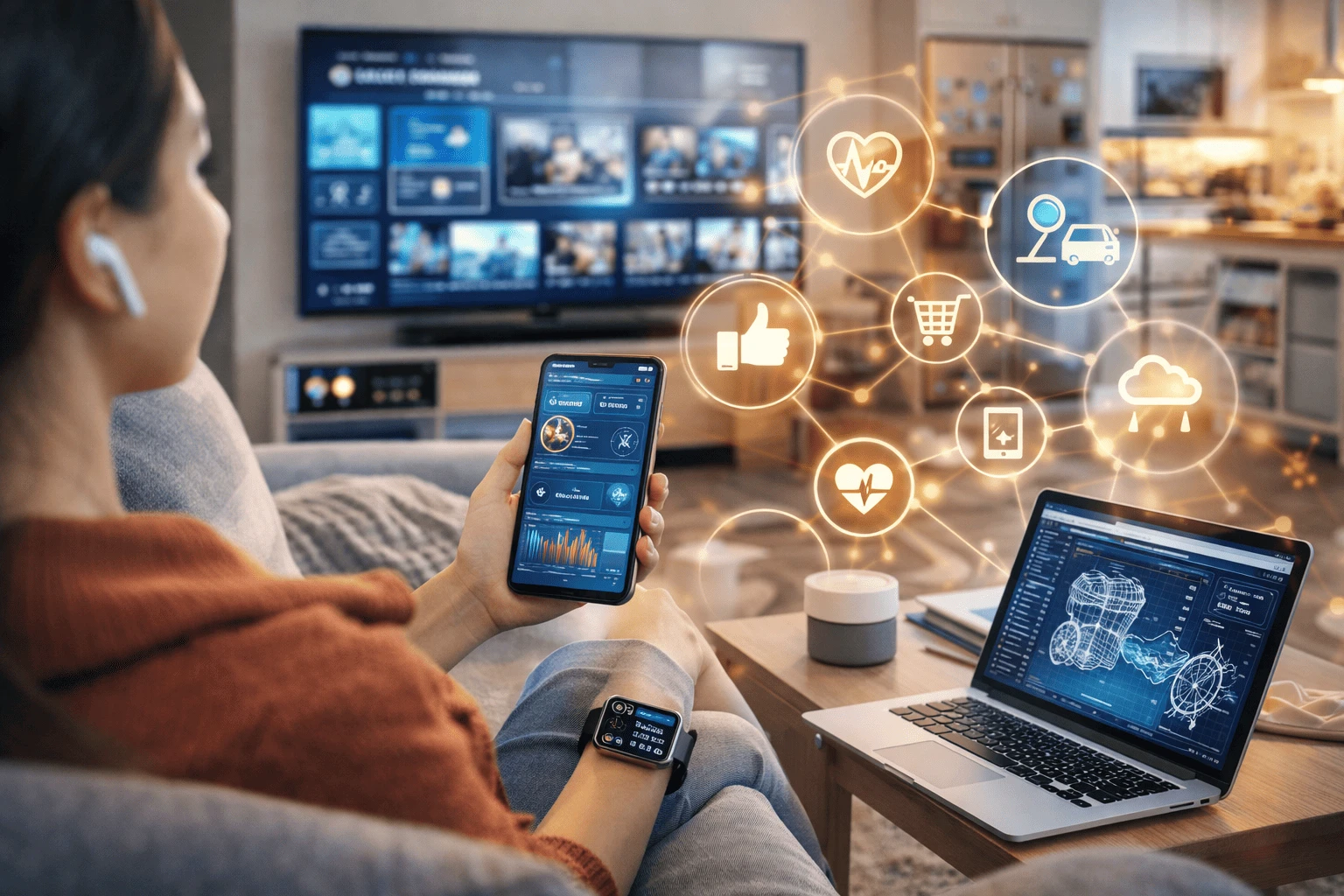
Another major shift is the use of smart devices to make daily routines simpler. Smartwatches track steps, sleep, and heart rate. Voice assistants can set reminders, play music, or answer questions. Smart TVs, home cameras, and automated lights are also becoming more popular. In urban areas of Pakistan, more families are using digital payment apps, smart appliances, and food delivery platforms to save time. In the UK, smart home systems are helping people manage heating, lighting, and security more efficiently.
These tools support a more comfortable and organized lifestyle. They allow people to automate small tasks and focus on other priorities. This growing dependence on digital convenience is one reason modern lifestyle choices are becoming more tech-driven every year.
Technology has also transformed the way people buy products and services. Online shopping, digital wallets, and mobile banking have made traditional buying habits much faster and easier. People now compare prices online, read reviews, watch product videos, and make purchases within minutes. Social media also plays a strong role in influencing buying decisions, especially among younger users.
In both Pakistan and the UK, consumers are moving toward a mobile-first lifestyle. Whether ordering groceries, booking rides, paying bills, or shopping for clothes, digital platforms are shaping everyday choices. This proves that the role of technology in modern life goes far beyond communication—it now affects spending habits, convenience, and personal decision-making too.
Technology has brought many positive changes to modern life, but it has also created new problems that people are still learning to manage. This is the reality of a technology-driven lifestyle. On one side, digital tools make life easier, faster, and more connected. On the other side, too much dependence on screens and devices can affect focus, health, and peace of mind. To understand the full impact of technology on daily life, it is important to look at both sides.
One of the biggest benefits of technology is convenience. People can now complete many daily tasks in less time than before. Bills can be paid online, groceries can be ordered through apps, and meetings can happen from home. Students can attend online classes, professionals can work remotely, and small business owners can promote their products through social media. This has created more flexibility in how people manage work and personal life.
Technology has also improved access to information. With just a phone and internet connection, people can learn new skills, follow the news, watch tutorials, and even take full courses online. In Pakistan, many freelancers and students use digital platforms to earn, learn, and grow professionally. In the UK, remote and hybrid work models have made it easier for many people to balance career and family responsibilities. These examples show how technology influences lifestyle by creating new opportunities and making people more productive.
Even with these benefits, technology also comes with challenges. One of the biggest issues is excessive screen time. Many people spend hours on phones, laptops, tablets, and TVs every day. This can lead to eye strain, poor sleep, reduced physical activity, and difficulty concentrating. Social media can also create pressure to compare lifestyles, appearances, or achievements, which may affect self-esteem and mental health.
Another issue is that people may become too dependent on convenience. When everything is instant, from food delivery to entertainment, patience and healthy routines can be harder to maintain. Some people also feel mentally tired because they are always connected, always checking messages, and always reacting to notifications. This side of technology in everyday life is often ignored, even though it affects millions of people.
The best approach is not to avoid technology, but to use it wisely. A healthy lifestyle today means enjoying the benefits of digital tools while also setting limits. Simple habits can make a big difference, such as reducing screen time before bed, taking breaks from social media, turning off unnecessary notifications, and making time for offline activities like exercise, reading, or family conversations.
People can also use technology to support wellbeing instead of harming it. For example, fitness apps, meditation apps, and screen-time trackers can help users build better habits. When used responsibly, technology can improve life without controlling it. That is why the future of modern lifestyle choices depends not just on having more technology, but on learning how to create balance with it.
Technology has become a powerful force shaping the way people live, work, and make everyday decisions. From communication and shopping to health tracking and remote work, digital tools are influencing many aspects of modern lifestyle choices. Smartphones, smart devices, and online platforms have made life more convenient and connected than ever before. Tasks that once required time and effort can now be completed in just a few minutes through apps or websites. This clearly shows the growing impact of technology on daily life.
At the same time, the rise of a digital lifestyle has also created new responsibilities. While technology offers comfort and efficiency, it can also lead to challenges like excessive screen time, reduced physical activity, and mental fatigue. Social media, constant notifications, and digital overload can sometimes make it difficult for people to disconnect and focus on their wellbeing. Because of this, learning to manage technology wisely has become an important part of living a balanced life.
The key is not to avoid technology but to use it thoughtfully. By setting healthy boundaries, taking breaks from screens, and prioritizing real-life interactions, people can enjoy the benefits of innovation without letting it control their routines. Technology should act as a tool that improves productivity, supports learning, and strengthens connections rather than becoming a source of stress.
Looking ahead, technology will continue to evolve and influence lifestyles around the world. Countries like Pakistan and the UK are already experiencing rapid digital growth, with new tools, apps, and smart systems becoming part of everyday routines. As this progress continues, individuals and communities will need to focus on maintaining a balance between convenience and wellbeing.
In the end, the relationship between technology and lifestyle is about making smart choices. When used responsibly, technology has the power to enhance our lives, open new opportunities, and help us build a healthier, more efficient future.

Hi, I’m Ahmed, a professional content writer and SEO specialist. I help businesses, brands, and websites create clear, engaging, and search-friendly content that attracts the right audience and drives results.
With a strong understanding of SEO, keyword research, blog writing, website content, and content strategy, I craft content that is not only well-written but also optimized to perform on search engines. My goal is to turn ideas into powerful words that build trust, improve visibility, and support business growth.
Whether you need blog posts, website copy, product descriptions, SEO articles, or content optimization, I can help create content that connects with readers and supports your online goals.
The American apparel market thrives on individuality, premium quality, and brand identity. From
26 September 2026
Security problems can affect a business without warning. An unauthorized person may enter a facility
8 September 2026
The revolution of AI-powered sorting robots is reshaping recycling, logistics, manufacturing, and ma
21 August 2026
Be the first to share your thoughts
No comments yet. Be the first to comment!
Share your thoughts and join the discussion below.




.webp&w=3840&q=75)